Safe Road GroupSafe Road Group
Courses

What we teach, and what each course leaves the driver holding

Two catalogues sit side by side here, and they answer different questions. The licensing programmes exist because a learner needs a licence and the law now allows an accredited centre to conduct the driving-skill test itself. The dangerous goods programmes exist because a licence, however earned, says nothing about whether the holder can be trusted with a placarded load.

Every syllabus below is the one prescribed under the Central Motor Vehicles Rules, 1989 — we have not invented curriculum and we do not shorten it. Attendance of 85 per cent is required on the licensing programmes, because the rules require it and because a driver who missed the practical days has not been trained.

Division I — Dangerous goods & industrial safety

Five courses at the Varanasi centre

Rule 9 hazardous goods training and the safety courses that sit around it. Run at our Varanasi centre under licence from the Government of Uttar Pradesh, or at your plant or depot anywhere in India. None of these conclude in Form 5B; the first one is what the licensing authority acts on when it endorses a licence under Rule 9(3).

01

Training Program for Drivers Carrying Hazardous Goods and Substances

Safe Road Skill and Technology LLP, Varanasi

Training Program for Drivers Carrying Hazardous Goods and Substances

The initial training course required under Rule 9 of the Central Motor Vehicles Rules, 1989 for drivers engaged in the carriage of hazardous and dangerous goods. The course is conducted at our Varanasi centre, which is licensed by the Government of Uttar Pradesh for this purpose.

Duration
3 days
Delivery
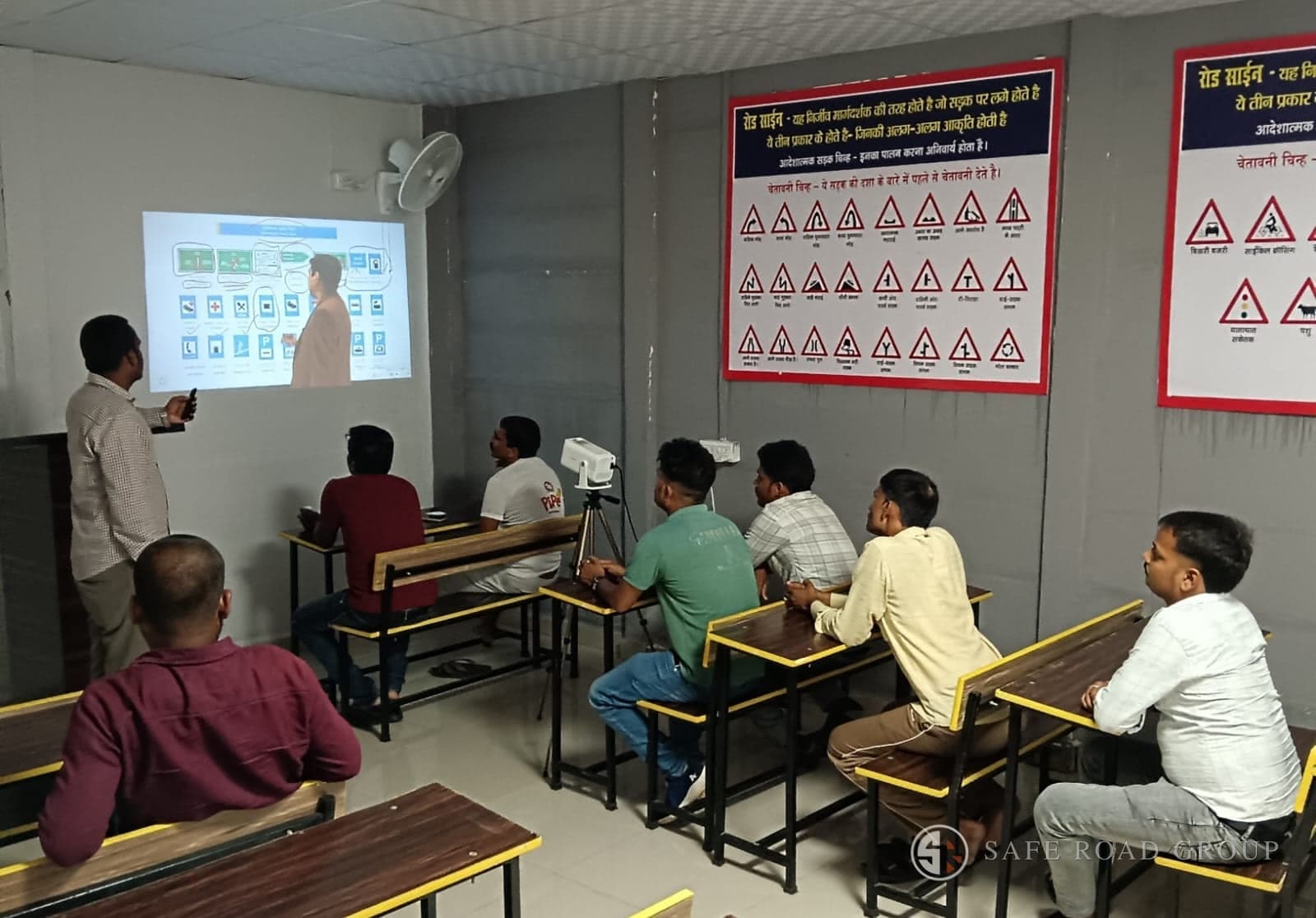
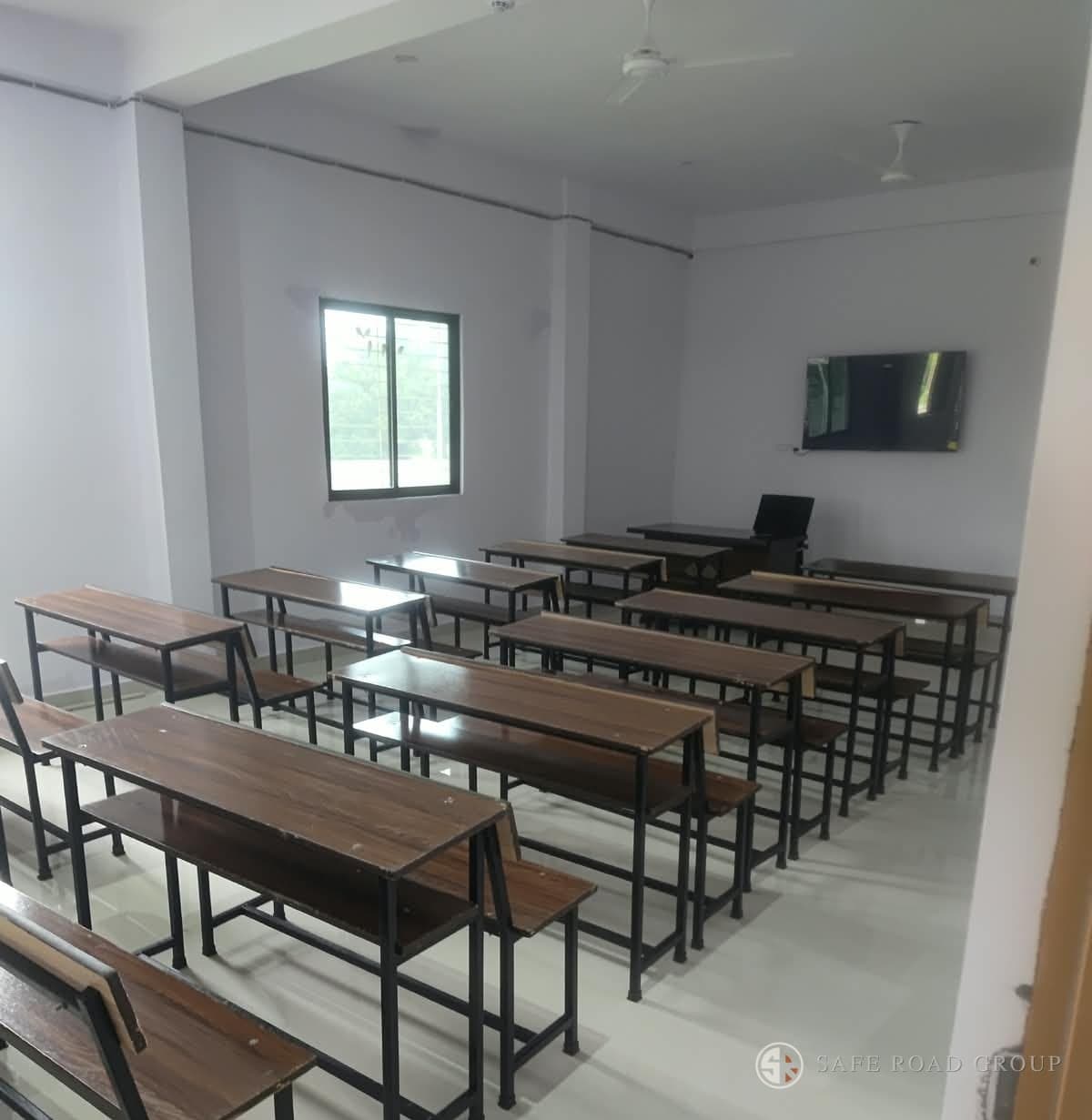
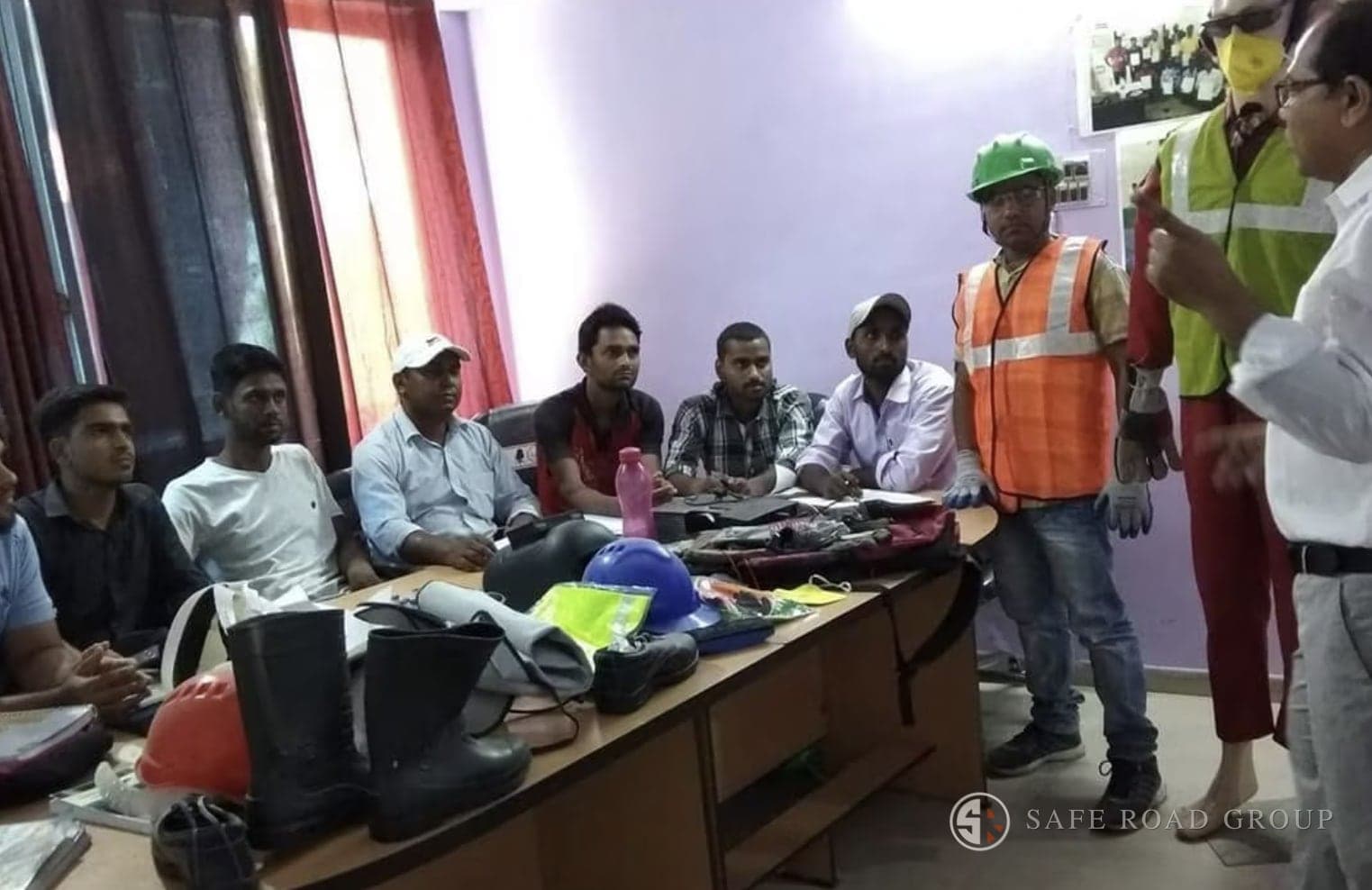
Classroom instruction with supervised practical drills
Theory
Classroom instruction, regulation and case study
Practical
Firefighting, spill response and first aid drills

Who it is for

  • Valid Heavy Motor Vehicle driving licence
  • Ability to read and write one language in the Eighth Schedule of the Constitution
  • Employment with, or engagement by, a carrier of dangerous goods

What it covers

  • Defensive driving — causes of accidents and accident statistics
  • Defensive driving — driver fitness, vehicle condition and braking distance
  • Classification of dangerous goods, Classes 1 to 9
  • Labelling, placarding and vehicle marking requirements
  • Transport Emergency Card (TREM Card), CIS and Material Safety Data Sheet
  • Product behaviour — temperature, pressure and explosive limits

Assessment. Written examination and practical drill assessment at the end of the course.

Certification. A training certificate on which the State Transport Department endorses the carriage of hazardous goods on the driver’s licence. The driver applies for the endorsement in writing to the licensing authority where he resides, under Rule 9(2) and 9(3).
02

Safety Training for Tanker Truck Driver and Helper

Safe Road Skill and Technology LLP, Varanasi

Safety Training for Tanker Truck Driver and Helper

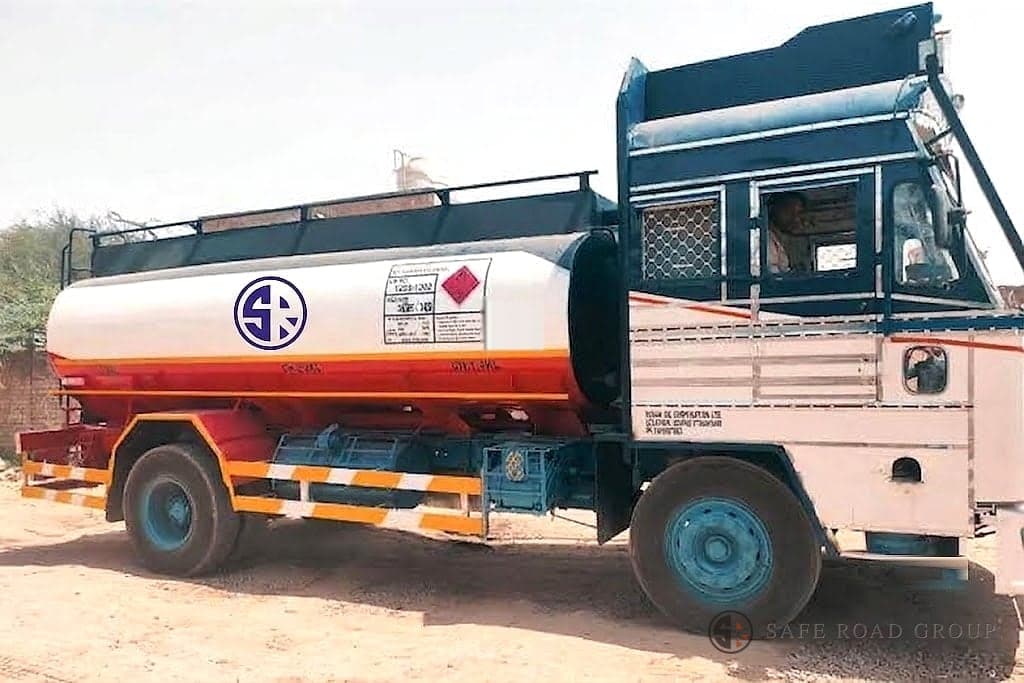
A one-day course for tanker truck (T.T.) drivers and their helpers, covering the loading, unloading and depot procedures specific to bulk liquid carriage.

Duration
1 day
Delivery
Classroom instruction with supervised practical drills
Theory
Classroom instruction on procedure and regulation
Practical
Firefighting and spill containment drills

Who it is for

  • Tanker truck drivers and helpers
  • Open to individual crew members, transporters and corporate fleets

What it covers

  • Top and bottom loading procedure and discipline
  • Static electricity, bonding and earthing
  • Spill containment and first response
  • Personal protective equipment and its correct use
  • Depot and terminal safety protocol
  • Roles and responsibilities of the helper

Assessment. Practical drill assessment and end-of-course written assessment.

Certification. Certificate of completion issued by Safe Road Skill and Technology LLP.

03

Defensive Driving and Road Safety

Safe Road Skill and Technology LLP, Varanasi

Defensive Driving and Road Safety

A one-day course for commercial drivers covering hazard perception, collision avoidance and the road-safety obligations that apply to professional drivers.

Duration
1 day
Delivery
Classroom instruction, conducted on site on request
Theory
Classroom instruction and video case study
Practical
Guided hazard perception exercises

Who it is for

  • Valid commercial driving licence
  • Open to individual drivers, transporters and corporate fleets

What it covers

  • Hazard perception and anticipation
  • Safe following distance and stopping distance
  • Night, fog and monsoon driving
  • Overtaking discipline and lane positioning
  • Fatigue, distraction and driver fitness
  • Post-collision procedure and reporting

Assessment. End-of-course written assessment.

Certification. Certificate of completion issued by Safe Road Skill and Technology LLP.

04

Fire Safety and Emergency Response

Varanasi centre, or at your plant or depot

Fire Safety and Emergency Response

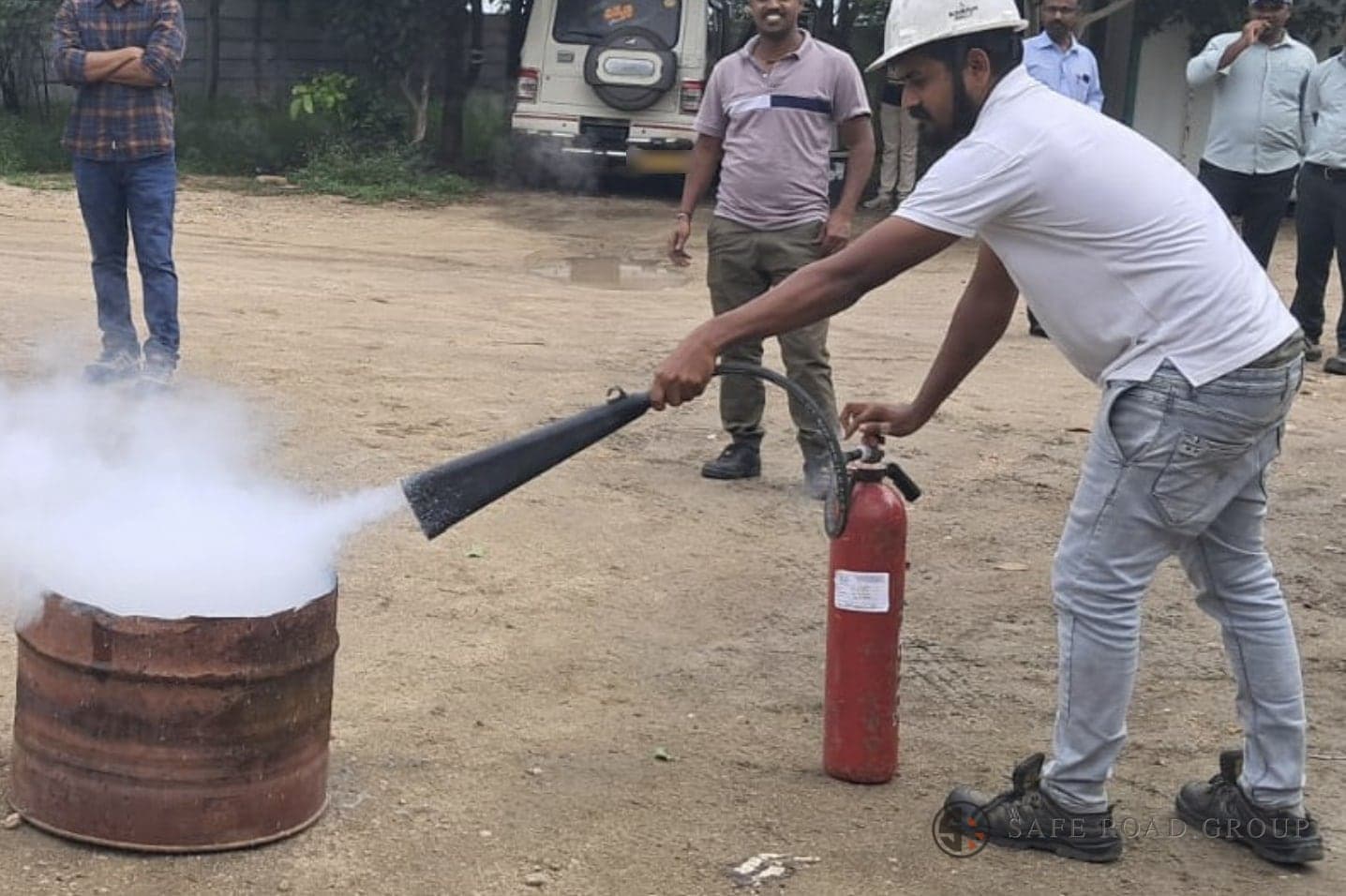
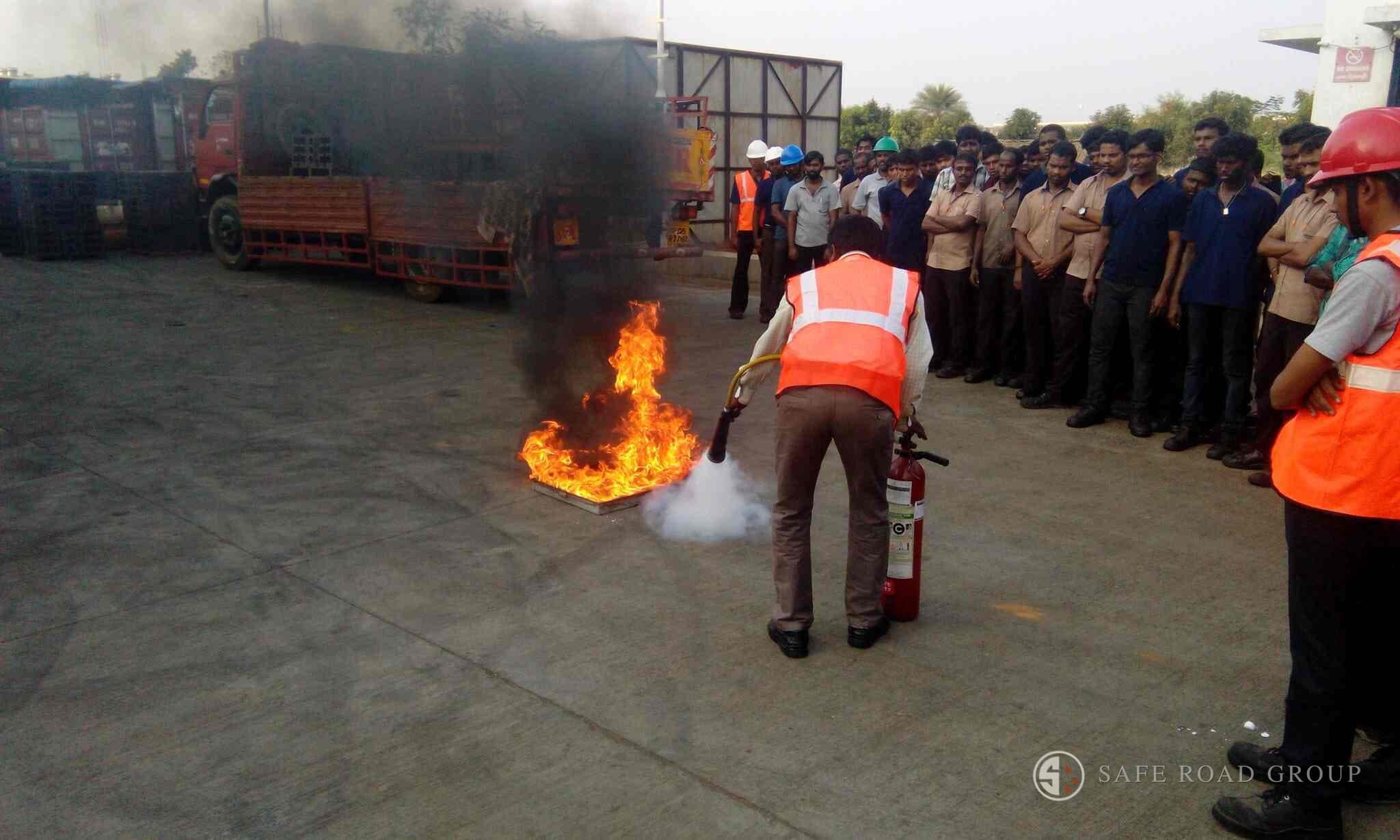
Fire fighting and emergency procedure are part of what Rule 9 of the Central Motor Vehicles Rules requires a driver carrying dangerous goods to be taught, and the State's fee schedule for accredited centres carries a four-hour Fire Hazards Training on Vehicle. This is the fuller programme, run for a plant or depot crew rather than for a single driver, and run where the crew works.

Duration
4 hours at our centres, or a half to full day on site
Delivery
On your premises, or at our centres
Theory
Classes of fire, fuel and vapour behaviour, what each extinguisher is for
Practical
Extinguisher drill, casualty handling and rescue equipment

Who it is for

  • Open to drivers, loading crew, plant staff and contractors
  • No licence or prior training required

What it covers

  • Classes of fire, and choosing the extinguisher that will not make it worse
  • Why a fuel fire is a vapour fire, and what that changes
  • The first five minutes of a leak or a spill
  • Raising the alarm, evacuation and the muster point
  • Rescue equipment — stretcher, tripod, harness and line
  • Moving a casualty without adding an injury

Assessment. Practical drill, observed.

Certification. Certificate of completion issued by Safe Road Skill and Technology LLP.

05

First Aid and CPR

Varanasi centre, or at your plant or depot

First Aid and CPR

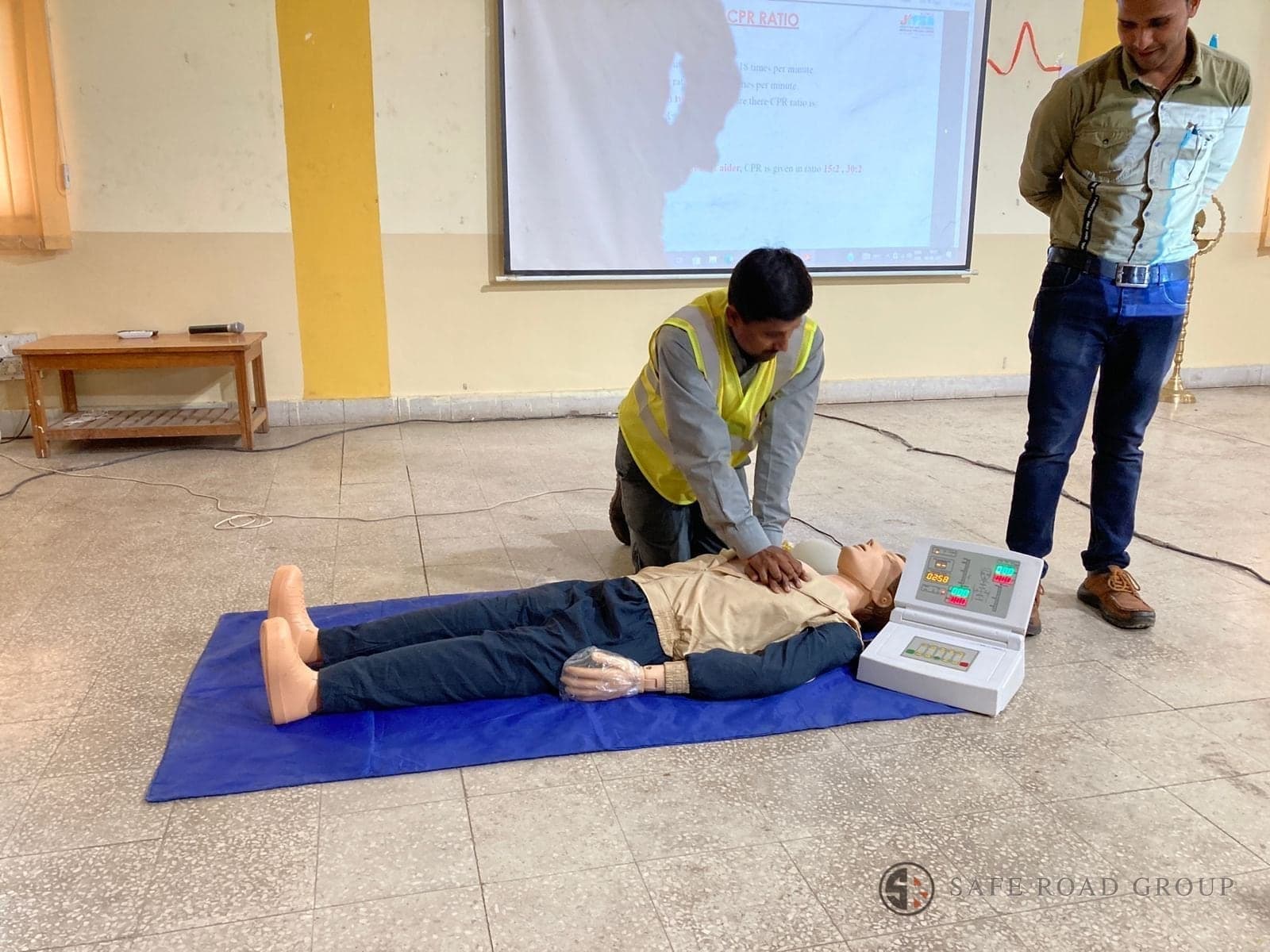
First aid sits inside two syllabuses we already teach — the emergency procedure day under Rule 9, and the public relations and first aid hour prescribed for the driver training course. Run on its own, for a crew, it is a half day on a manikin with a feedback monitor rather than an hour of slides.

Duration
Half a day, typically 4 hours
Delivery
On your premises, or at our centres
Theory
What to check first, and what not to do
Practical
CPR on a manikin with a compression feedback monitor

Who it is for

  • Open to drivers, loading crew, plant staff and contractors
  • No licence or prior training required

What it covers

  • The primary survey — what to check, and in what order
  • CPR: compression depth, rate and the 30:2 ratio, practised against a monitor
  • The recovery position, and when not to move somebody at all
  • Bleeding, burns and chemical exposure to the skin and eyes
  • What goes wrong at a roadside crash — the well-meant things that injure people
  • Calling for help so that help actually arrives

Assessment. Observed practical on the manikin.

Certification. Certificate of completion issued by Safe Road Skill and Technology LLP.

A syllabus is not a formality. It is the difference between a driver who has been told and a driver who has been taught.

Division II — Driver licensing & training

The nine courses an accredited centre runs

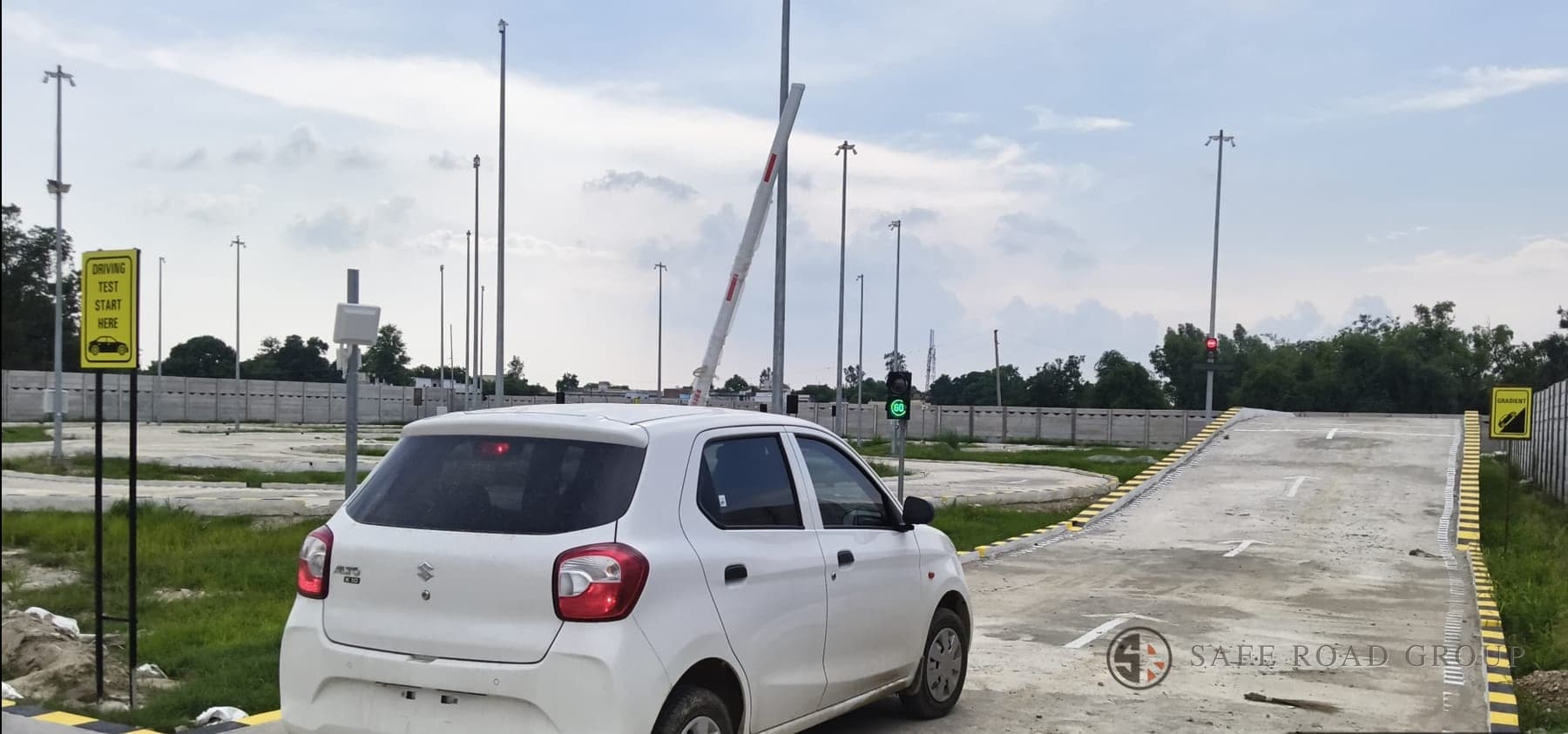
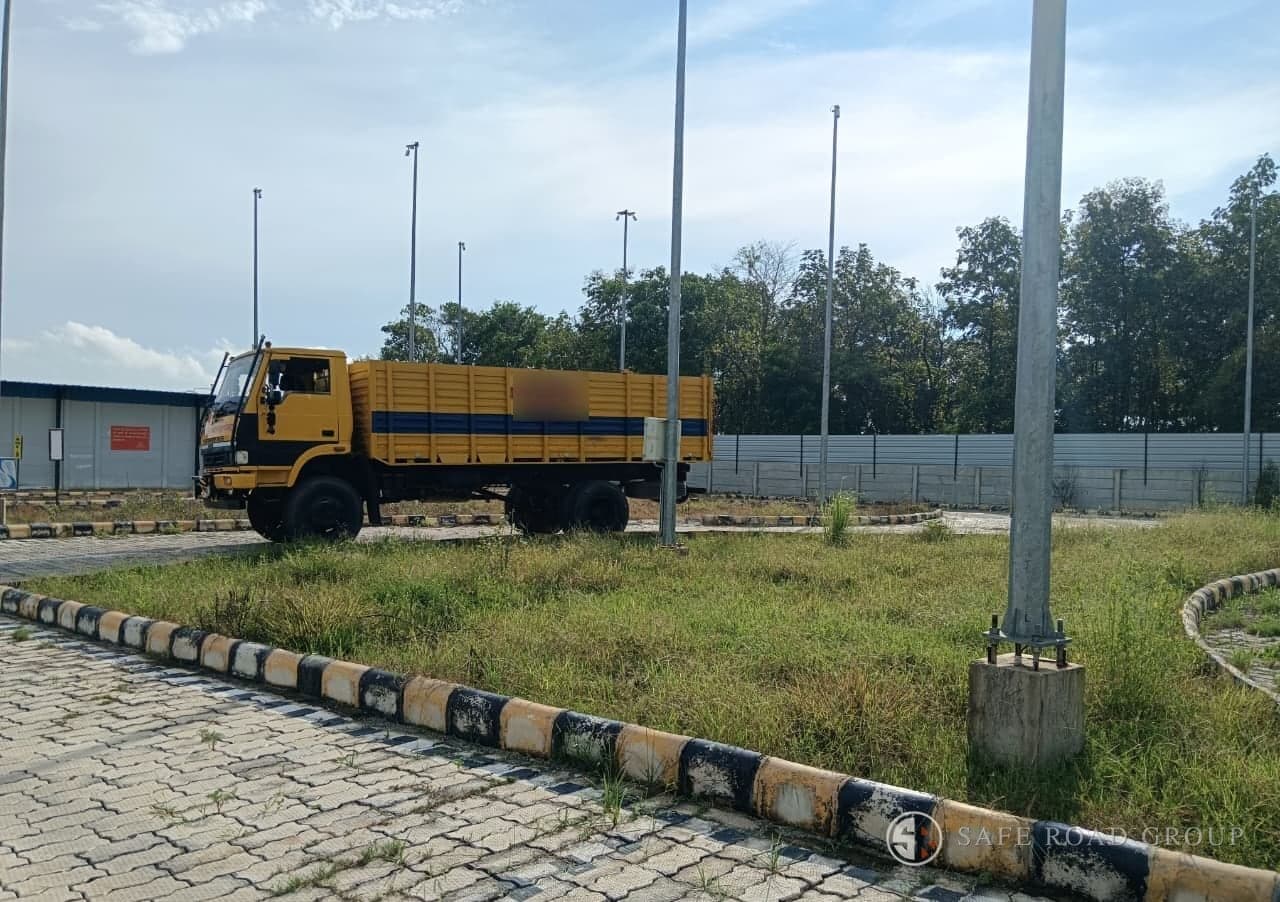
This is the full list the State Transport Authority's schedule sets for an Accredited Driver Training Centre in Uttar Pradesh, with a fee fixed against each. Two of them — LMV and HMV — conclude in Form 5B and exempt the holder from the test at the RTO. The other seven conclude in a centre certificate. The driving-skill test for the two-wheeler and e-Rickshaw classes is also conducted on our tracks, though we do not run a training course for either.

Every hour of these courses is prescribed. Rule 31 fixes the syllabus, the minimum training period and the minimum hours behind the wheel; the Ministry’s scheme sets out the course topic by topic. We have published the whole of it — theory and practical hours, the evaluation standard, the track, and the fee the State has fixed against every one of the nine.

Syllabus, hours and fees
06

Light Motor Vehicle (LMV) Driver Training

Accredited Driving Training Centres

Light Motor Vehicle (LMV) Driver Training

A structured programme for applicants seeking a Light Motor Vehicle driving licence, delivered under the syllabus prescribed for Accredited Driving Training Centres in the Central Motor Vehicles Rules, 1989.

Duration
29 hours over 4 weeks
Delivery
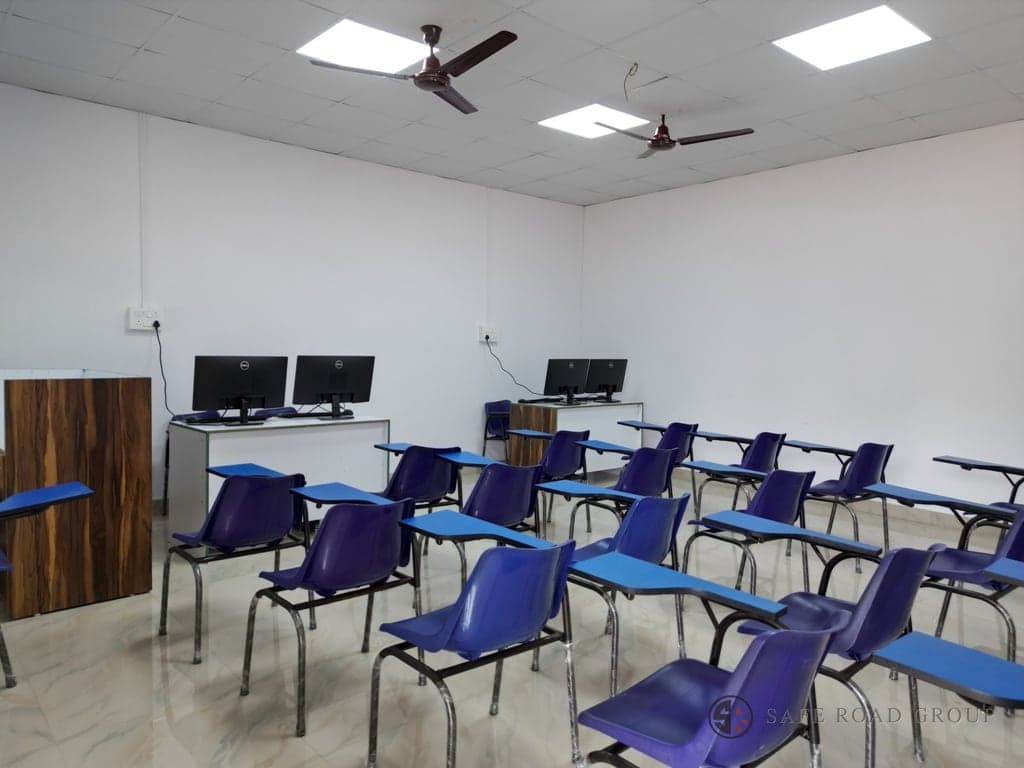
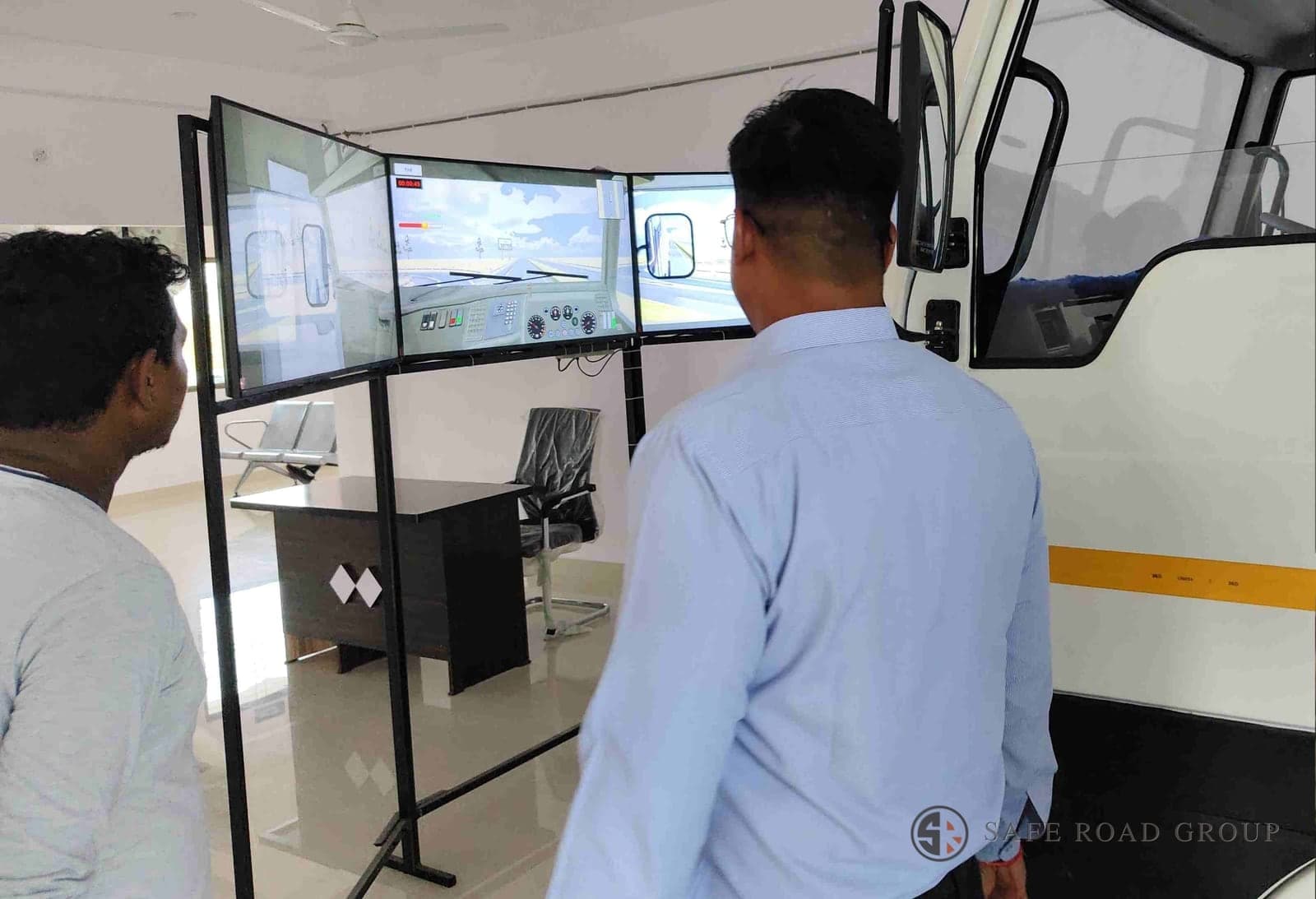
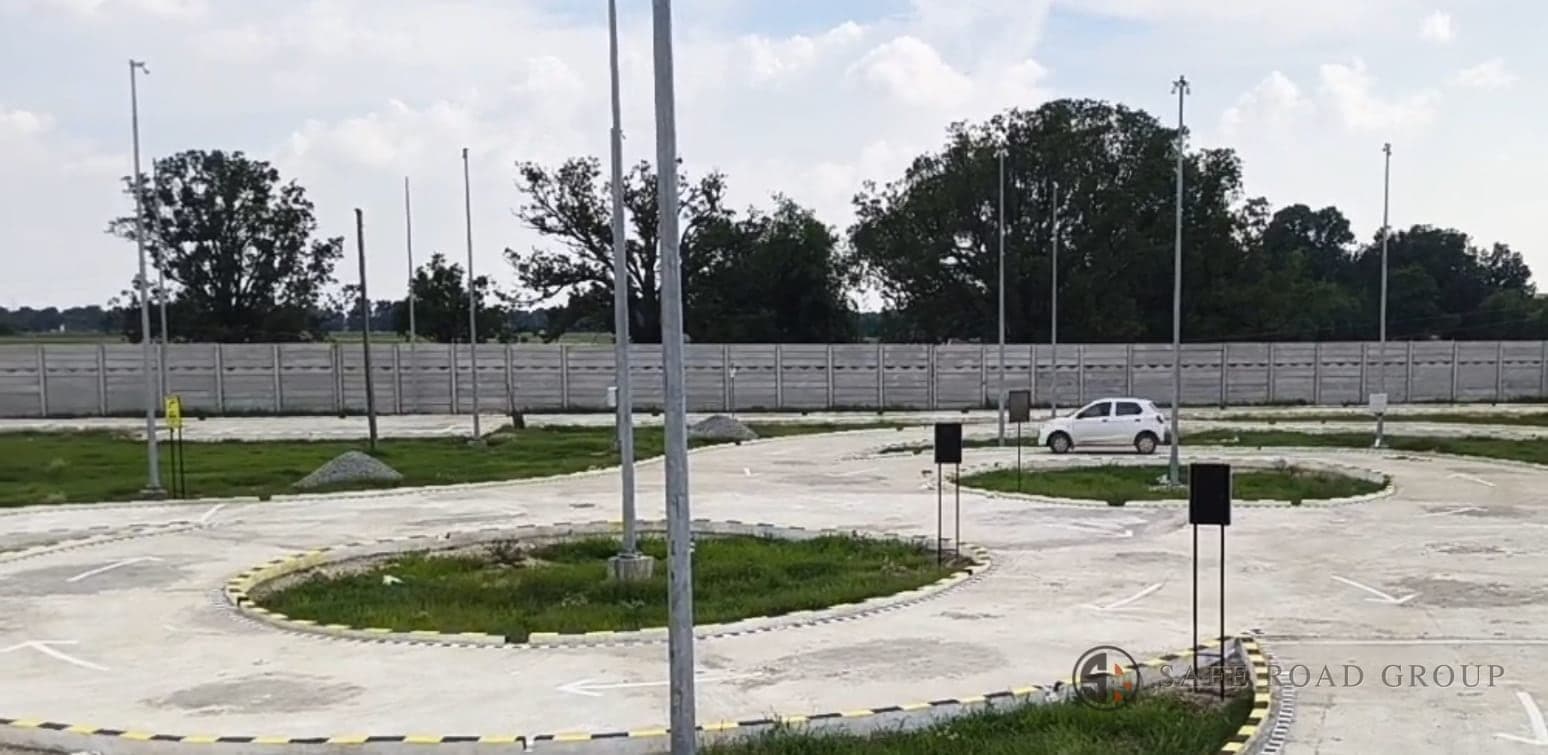
Classroom, driving simulator and automated test track
Theory
8 hours
Practical
21 hours
07

Medium and Heavy Motor Vehicle (HMV) Driver Training

Accredited Driving Training Centres

Medium and Heavy Motor Vehicle (HMV) Driver Training

A commercial driver training programme for applicants seeking a Heavy Motor Vehicle licence, covering the extended syllabus prescribed for heavy transport vehicles.

Duration
38 hours over 6 weeks
Delivery
Classroom, heavy vehicle simulator and automated test track
Theory
16 hours
Practical
22 hours
08

Training the Trainers — Driving Instructor Course

Accredited Driving Training Centres

Training the Trainers — Driving Instructor Course

A train-the-trainer programme for those who will instruct others — instructors at driving schools, in-house trainers at fleet operators, and staff joining our own centres.

Duration
Scoped to the programme
Delivery
Classroom, simulator and automated test track
Theory
Instructional method, curriculum and assessment technique
Practical
Supervised instruction practice and evaluation

Who it is for

  • Valid driving licence for the class to be taught, with substantial driving experience
  • Ability to instruct in Hindi or English

What it covers

  • Instructional method and lesson planning
  • The CMVR syllabus and what it requires of an instructor
  • In-vehicle coaching and fault diagnosis
  • Assessing a trainee objectively
  • Record-keeping and compliance documentation

Assessment. Teaching-practice evaluation and written assessment.

Certification. Certificate of completion issued by the centre.

09

Refresher and Orientation Course

Accredited Driving Training Centres

Refresher and Orientation Course

A short course for drivers who already hold a licence and need to bring their skills and knowledge of current regulation up to date. Accredited Driving Training Centres are permitted to conduct refresher courses under the Central Motor Vehicles Rules, 1989.

Duration
10 hours over 2 days
Delivery
Classroom, simulator and automated test track
Theory
4 hours
Practical
6 hours

Who it is for

  • Valid driving licence for the class of vehicle
  • Open to individual drivers and to fleet operators enrolling a batch

What it covers

  • Changes to traffic regulation and enforcement
  • Skill reassessment on the automated test track
  • Defensive driving refresher
  • Vehicle checks and daily inspection discipline
  • First aid and emergency procedure

Assessment. Driving-skill reassessment and end-of-course written assessment.

Certification. Certificate of completion issued by the centre.

10

Vehicle Mechanism, Maintenance and Fuel Efficiency

Accredited Driving Training Centres

Vehicle Mechanism, Maintenance and Fuel Efficiency

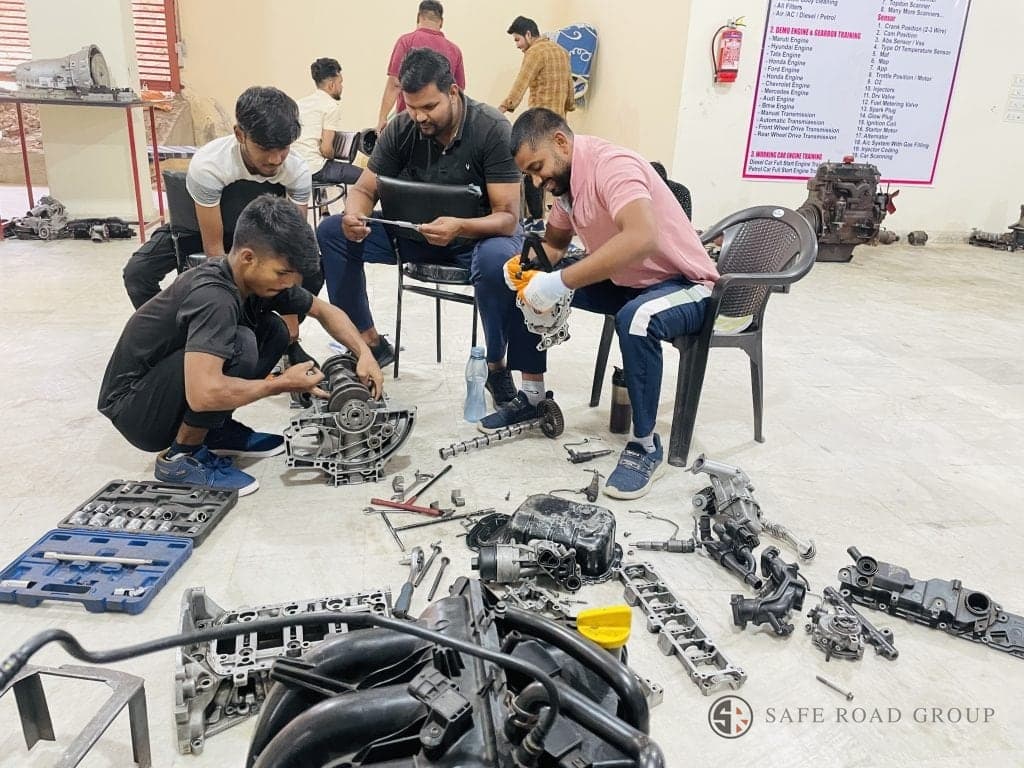
The workshop course. What is under the bonnet and along the chassis, what the daily check is actually looking for, and the driving habits that decide whether a vehicle returns fifteen per cent more or less from the same tank.

Duration
12 hours over 2 days
Delivery
Classroom and workshop, with cut-section assemblies
Theory
4 hours
Practical
8 hours

Who it is for

  • Open to licensed drivers and to fleet crews
  • No learner’s licence required

What it covers

  • Engine, transmission, brakes and steering — what each does and how it fails
  • The pre-trip check, and what a driver can find that a workshop will not
  • Tyres: pressure, wear patterns and what they tell you
  • Fuel efficiency — gear selection, idling, load and tyre pressure
  • When to stop driving and call the workshop

Assessment. In-course evaluation and an end-of-course written assessment.

Certification. Certificate of completion issued by the centre.

11

Traffic Education, Public Relations and Road Rage

Accredited Driving Training Centres

Traffic Education, Public Relations and Road Rage

Signs, markings and right of way, and the part of driving that is not mechanical at all — how a driver behaves towards other road users, and what to do when somebody behaves badly towards them.

Duration
6 hours in one day
Delivery
Classroom and practice circuit
Theory
3 hours
Practical
3 hours

Who it is for

  • Open to licensed drivers and to fleet crews
  • No learner’s licence required

What it covers

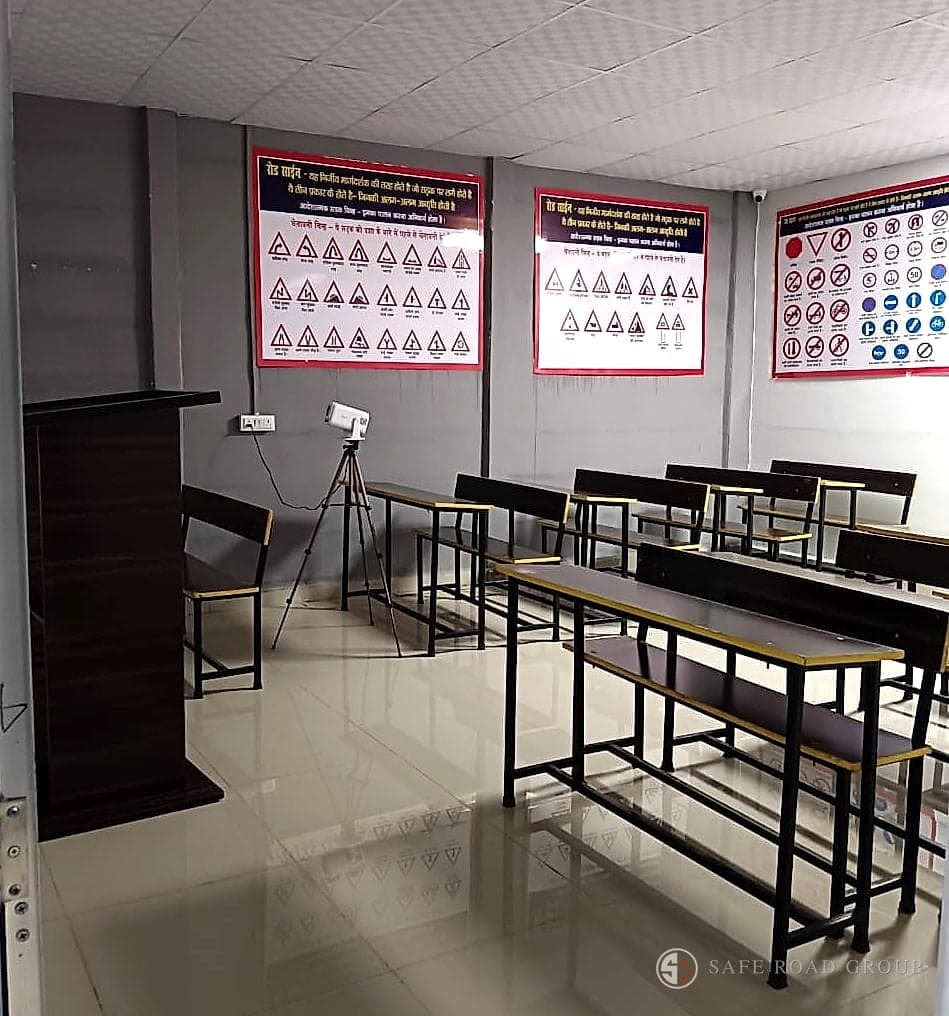
  • Mandatory, cautionary and informatory signs, and road markings
  • Right of way, junctions and lane discipline
  • Public relations — the driver as the face of the fleet
  • Road rage: how it starts, and how to not be the second person in it
  • Stress and fatigue on a long haul

Assessment. In-course evaluation and an end-of-course written assessment.

Certification. Certificate of completion issued by the centre.

12

Night and Hill Driving, Wet Weather and Emergency Manoeuvres

Accredited Driving Training Centres

Night and Hill Driving, Wet Weather and Emergency Manoeuvres

The conditions a test on a dry morning never covers. Run partly on the simulator, because a tyre burst at speed and a brake failure on a descent are things a driver should meet once before they meet them on a road.

Duration
4 hours in one day
Delivery
Classroom, simulator and the hill track
Theory
2 hours
Practical
2 hours

Who it is for

  • Valid driving licence for the class of vehicle
  • Open to individual drivers and to fleet batches

What it covers

  • Night driving — headlamp alignment, dipped beam, and judging distance in the dark
  • Hill driving — engine braking, descending on gear, and the hairpin
  • Wet weather — aquaplaning, stopping distance and the first rain of the season
  • Emergency manoeuvres — brake failure, tyre burst, a load shifting on a bend

Assessment. Observed practical on the track and the simulator.

Certification. Certificate of completion issued by the centre.

13

Fire Hazards Training on Vehicle

Accredited Driving Training Centres

Fire Hazards Training on Vehicle

What catches fire on a vehicle, why, and what a driver can do in the first minute with what is already on board. The short version of the fire course, run at the centres under the State’s notified schedule.

Duration
4 hours in one day
Delivery
Classroom and extinguisher drill
Theory
2 hours
Practical
2 hours

Who it is for

  • Open to licensed drivers and to fleet crews
  • No learner’s licence required

What it covers

  • Where a vehicle fire starts — wiring, fuel lines, brakes and the load
  • Classes of fire, and which extinguisher belongs to which
  • Using the extinguisher on board, before it is too late to
  • Getting the vehicle and the people clear

Assessment. Observed extinguisher drill.

Certification. Certificate of completion issued by the centre.

14

Road Accident, Pollution and Environment

Accredited Driving Training Centres

Road Accident, Pollution and Environment

What the law requires of a driver at the scene of a crash, and what a vehicle does to the air around it. Both are in the prescribed syllabus and both are routinely skipped.

Duration
4 hours in one day
Delivery
Classroom and demonstration
Theory
2 hours
Practical
2 hours

Who it is for

  • Open to licensed drivers and to fleet crews
  • No learner’s licence required

What it covers

  • Duty at the scene under the Motor Vehicles Act — stopping, reporting, and the golden hour
  • Protecting the scene and the people in it
  • Emissions, the pollution certificate, and what makes a vehicle fail it
  • Idling, load and maintenance — what a driver controls

Assessment. In-course evaluation and an end-of-course written assessment.

Certification. Certificate of completion issued by the centre.

For fleets, corporates and public sector buyers

What a batch leaves you holding

The questions a purchase or HSE team asks before it raises a vendor code, answered before you have to ask them.

What each trainee gets

The certificate the course concludes in — Form 5B where the course is a licensing one, and the government-approved training certificate otherwise.

What you get for the batch

The attendance record and the assessment scores, with every batch, so an internal audit closes against names and dates rather than a headcount.

Where it runs

At our centres, or at your depot or plant anywhere in India. On-site keeps the vehicles earning and puts the training where the work is.

Insurance

Training conducted at our own centres is insured.

Who teaches

Instructors with five to ten years behind them, holding engineering degrees and Craftsman Training Instructor certificates. Qualifications on request.

Tenders, purchase orders and multi-location programmes go to the Manager (Training) rather than the general inbox, so the thread stays in one place.

b2b@saferoadgroup.org

Not sure which course the law requires?

Send us the product your fleet carries and the class of vehicle it travels in. We will tell you what the rules require and what the terminal will ask for at the gate — whether or not you book with us. If a batch is the answer, we will come back with dates and a quotation the same working day.

WhatsAppCall now